The Pulse of Play: Reflections on GDC 2026
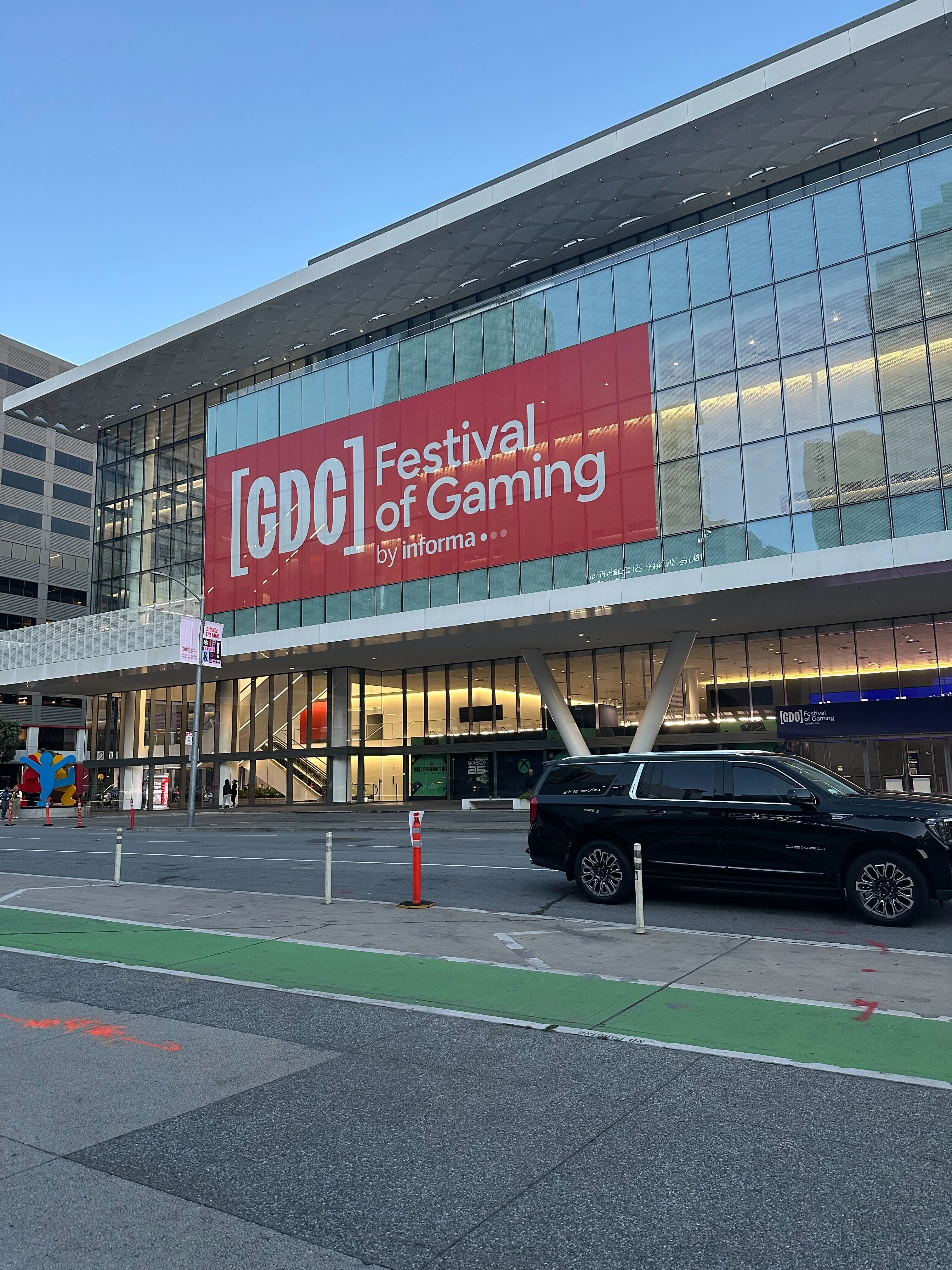
If you work in games, there is one week a year that feels like the center of the universe: the Game Developers Conference (GDC). Held annually in San Francisco, GDC is the world’s largest professional game industry event. It’s where thousands of programmers, artists, producers, and designers gather to trade secrets, show off new tech, and most importantly shape the future of how we play.
I made the trip back to the Moscone Center this week, realizing it had been about a year since I last stepped foot in the city. There’s something special about the energy in SF during GDC; the coffee shops are packed with people talking shop, and every corner feels like an opportunity to re-connect with old friends and industry leaders.

The Big Conversation: AI at the Forefront
Walking the expo floor and attending sessions this year, one topic was unavoidable: Artificial Intelligence.
It felt like everyone was talking about it, but the vibe was mixed. There is a palpable tension in the air. Many talented developers are feeling a bit of "AI anxiety," worried that automation might lead to job losses in a market that has already seen its fair share of volatility. It’s a valid fear, and the conversations I had were deeply grounded in that reality.
However, after exchanging ideas with a wide range of peers and experts, I’ve come away with a different perspective.
Why Humans Aren't Going Anywhere
The consensus among many of us is that AI will NOT take over the industry or the job market. Instead, we are looking at a future where AI acts as a powerful compliment to the people who actually make games.
We are already seeing some incredible shifts in how we work:
- Automated Art & Map Building: Tasks that used to take weeks—like generating vast terrain or iterating on background assets—are being streamlined by AI tools.
- Procedural Content Generation: AI is helping build larger, more complex worlds than ever before.
- Rapid Prototyping: Designers are using AI to test ideas quickly before committing manual resources.
But here is the catch: AI lacks intent.
An algorithm can generate a thousand maps, but it doesn't know which one feels "fun" or which one tells a compelling story. There will always be a critical need for humans to act as the "creative directors" of these tools—to make sure that what we get from AI is what we actually want. AI can provide the raw materials, but humans provide the soul, the polish, and the "vibe" that makes a game a masterpiece.
New Ideas, Old Friends
Beyond the AI debate, GDC 2026 was a masterclass in re-connection. Catching up with leaders I haven't seen in a year and meeting fresh faces with emerging ideas reminded me why we do this. The gaming industry is built on community and shared passion.
While the tools we use are changing faster than ever, the human element—the late-night brainstorming sessions and the shared goal of creating something beautiful—remains the heartbeat of game development.
Explore more
Discover our latest stories below to see how we're transforming game development and creating new possibilities for creators worldwide.